
Answers for Facilities,
People Teams, and Operators.
Review the core questions that shape a site assessment—from utilities and employee badging to food safety and ongoing operations.
Facility
Space, power, placement, and local approval considerations.
How much space should a facility plan for?
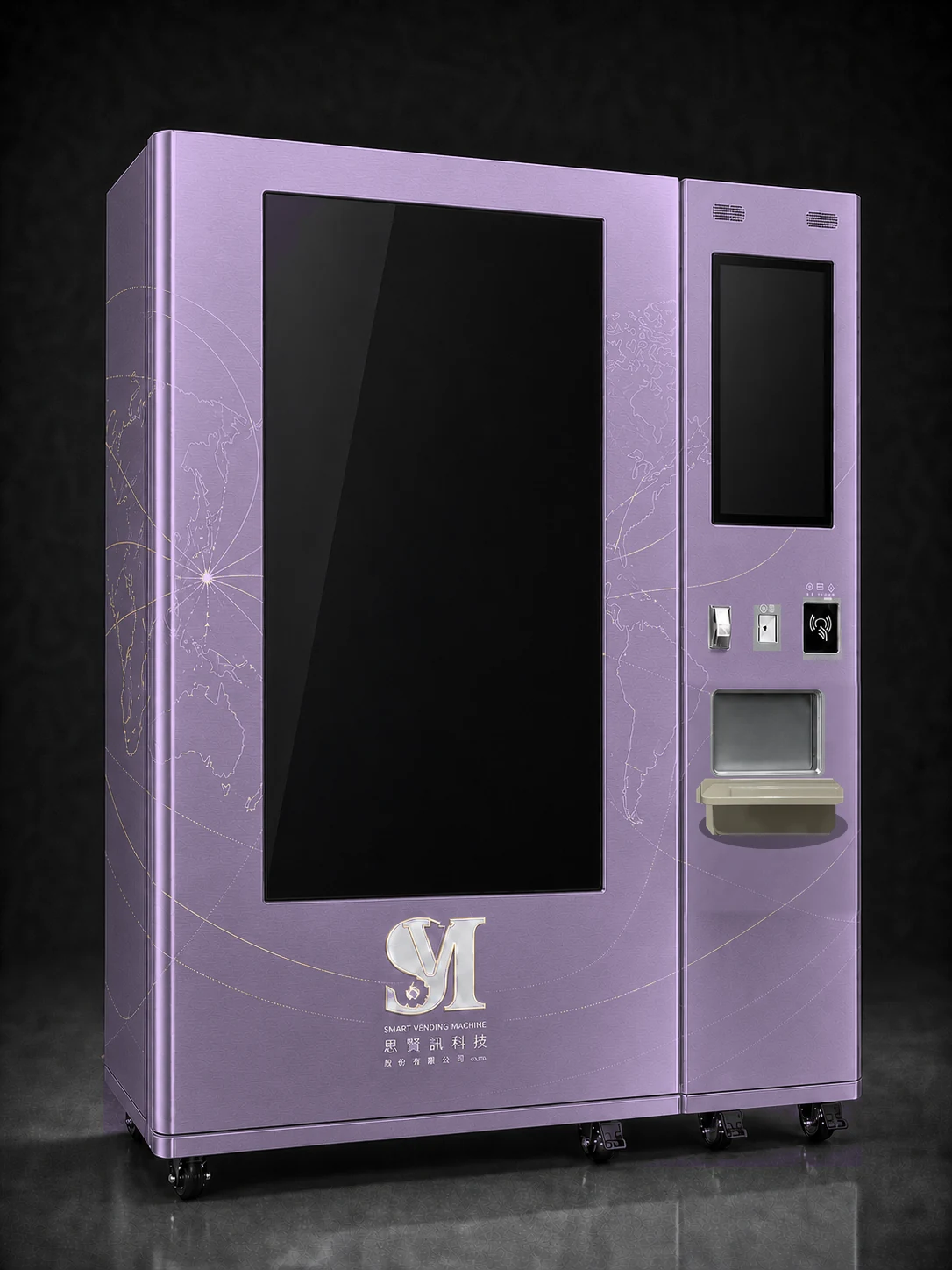
Begin with the preliminary equipment footprint shown on the Machine & Tech page, then add customer access, door swing, ventilation clearance, replenishment space, and an accessible service path. Final dimensions must follow the approved technical submittal and site survey.
What electrical and utility connections are required?
A dedicated commercial electrical circuit is anticipated. Voltage, amperage, receptacle, disconnect, grounding, and network requirements must be confirmed for the selected machine and the local facility before installation.
Does the station require plumbing or a commercial exhaust hood?
The proposed configuration uses enclosed electric reheating without a kitchen grease duct or water connection. Building, fire, health, and electrical reviewers retain final authority for every location.
Where can a station be placed?
Typical planning areas include employee lounges, residence commons, hospital staff zones, hotel marketplaces, and secured logistics breakrooms. Placement must protect egress, accessibility, service access, and local operational workflows.
Badging & Employee Benefits
Access credentials, payments, subsidies, and benefit administration.
Can employees use an existing workplace or campus badge?
Badge compatibility is evaluated during discovery. The credential technology, payment processor, access rules, and system owner must be confirmed before any integration is represented as available.
Can an employer subsidize part or all of a meal?
Potential models include fixed meal credits, percentage subsidies, department allowances, and employer-funded meals. Eligibility, accounting, limits, and settlement rules remain subject to the selected commercial program and technical review.
Can visitors pay without an employee badge?
Card and mobile-wallet options may be considered alongside badge access. Available payment methods depend on the approved hardware, processor, connectivity, and site policy.
What employee information is required?
Data requirements depend on the selected benefit design and integration. Any formal deployment should minimize personal data, document system ownership, and follow the organization’s privacy and security review.
Food Safety & Reheating
Frozen storage, item-specific heating, labels, and sanitation controls.
How long does reheating take?
Dynamic Reheating in 30 to 180 Seconds. Handhelds and melts target approximately 30 seconds, while dense frozen entrees target approximately 180 seconds for uniform core restoration. Final programs require item-specific validation.
How are meals stored before selection?
Meals are intended to remain in controlled frozen storage until selected. Final temperature limits, monitoring, corrective actions, and record responsibilities must be confirmed in the approved food-safety plan.
How are allergens and nutrition details communicated?
Formal menu deployment should use supplier-approved ingredient, allergen, nutrition, and handling information. Guests should rely on the current package and screen information for the specific item.
How is cross-contact risk addressed?
Meals heat in their own approved containers inside an enclosed chamber, but ingredient handling, packaging integrity, sanitation, and allergen controls still require documented supplier and operating procedures.
Operations & Service
Restocking, monitoring, maintenance, and commercial responsibility.
Who handles restocking and routine cleaning?
Responsibilities vary by lease, managed-service, pilot, or purchase structure. The final operating plan should name the parties responsible for cold-chain transfer, inventory rotation, exterior cleaning, chamber care, and documentation.
How are low inventory and equipment alerts handled?
Proposed telemetry can support inventory and equipment-status review. Connectivity, alert routing, response ownership, and any uptime target must be confirmed in the final service agreement.
What happens if the station cannot safely serve an item?
The approved operating design should define item lockout, temperature exceptions, power interruption, customer communication, escalation, and removal procedures. Exact automated controls remain subject to model and software validation.
Can a facility start with a pilot?
A limited pilot may be evaluated against site readiness, expected traffic, menu logistics, support coverage, and commercial terms. Duration, cost, success criteria, and responsibilities must be documented in writing.
Still evaluating site fit?
Generate a local planning summary or request a formal facility review when regional inquiries open.