
24/7 Guest Amenity & Night-Shift Fuel

Step Into the Hotel Concourse,
Chef-Grade Hot Dining Available Around the Clock.

Purpose-built for European business hotels, airport transit stays, and extended living properties. Reduce late-night room-service pressure while supporting guests and overnight staff with ventless, contactless hot meal stations.

Operational Realities

Late-Night Hospitality Gaps ➔ Automated 24/7 Service

Hotel Guest AmenityReduced Kitchen Payroll24/7 F&B Service

Costly Night Kitchen Overheads

Keeping staffed kitchens open for low-volume midnight room service creates labour pressure and food waste.

The Red-Eye Flight & Late-Arrival Void

Guests arriving after 22:00 or departing at dawn often find hotel restaurants closed.

Night-Shift Staff Nutrition Deficit

Front desk, security, and maintenance crews can lack access to warm, nourishing meals.

Acoustic & Odour Restraints

Guest corridors and quiet lounges require careful review of sound, steam, and food aromas.
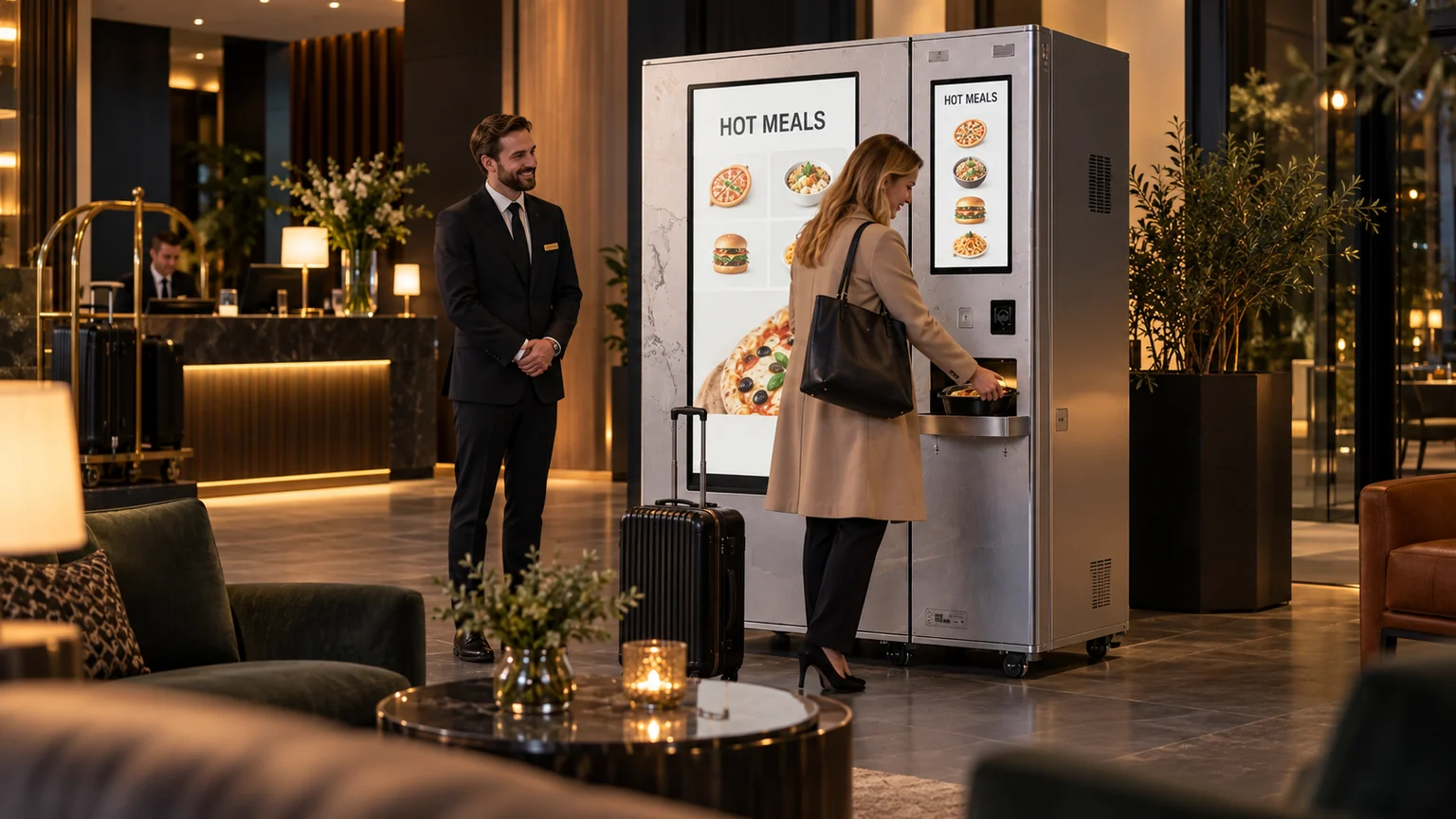
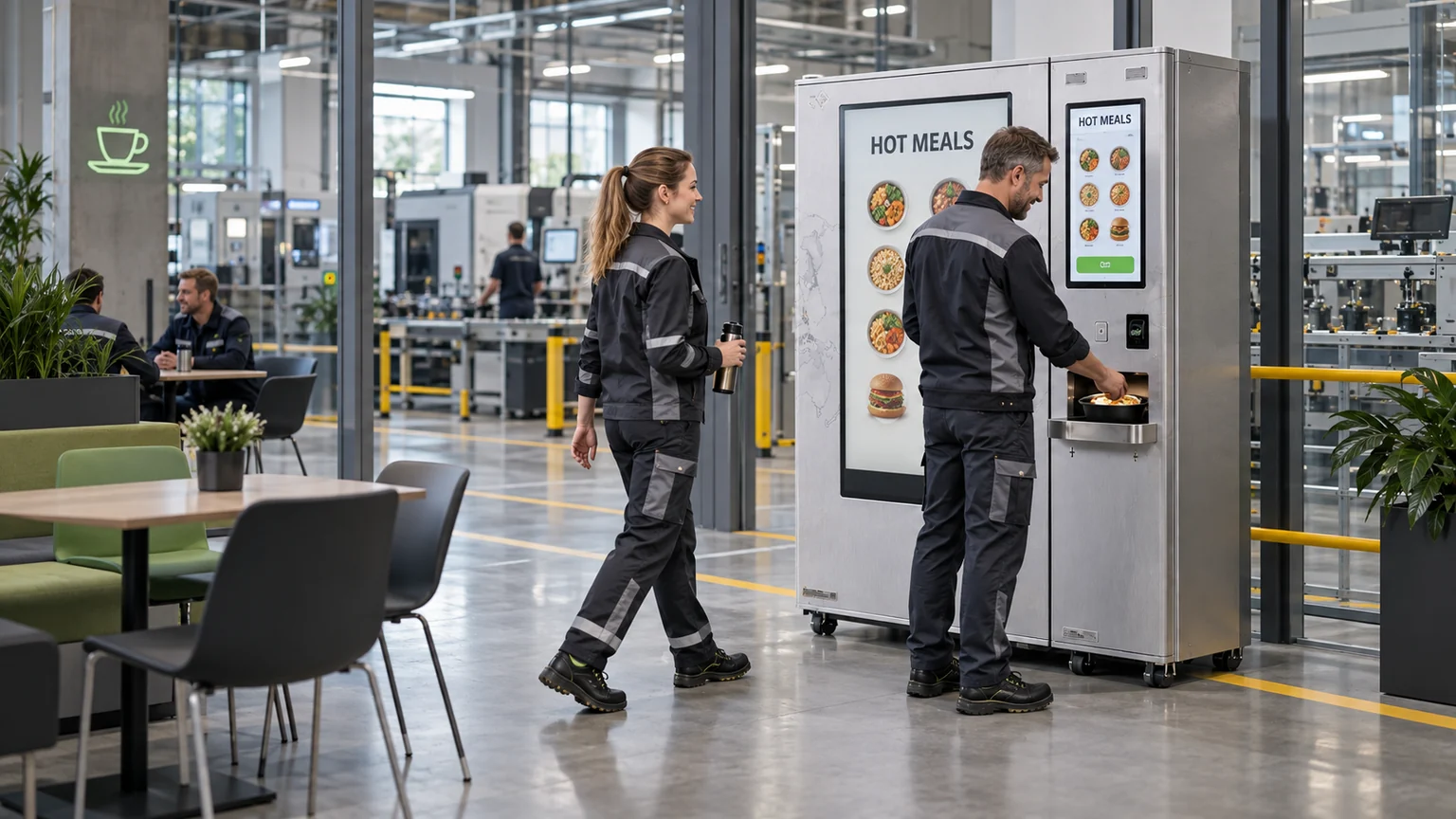
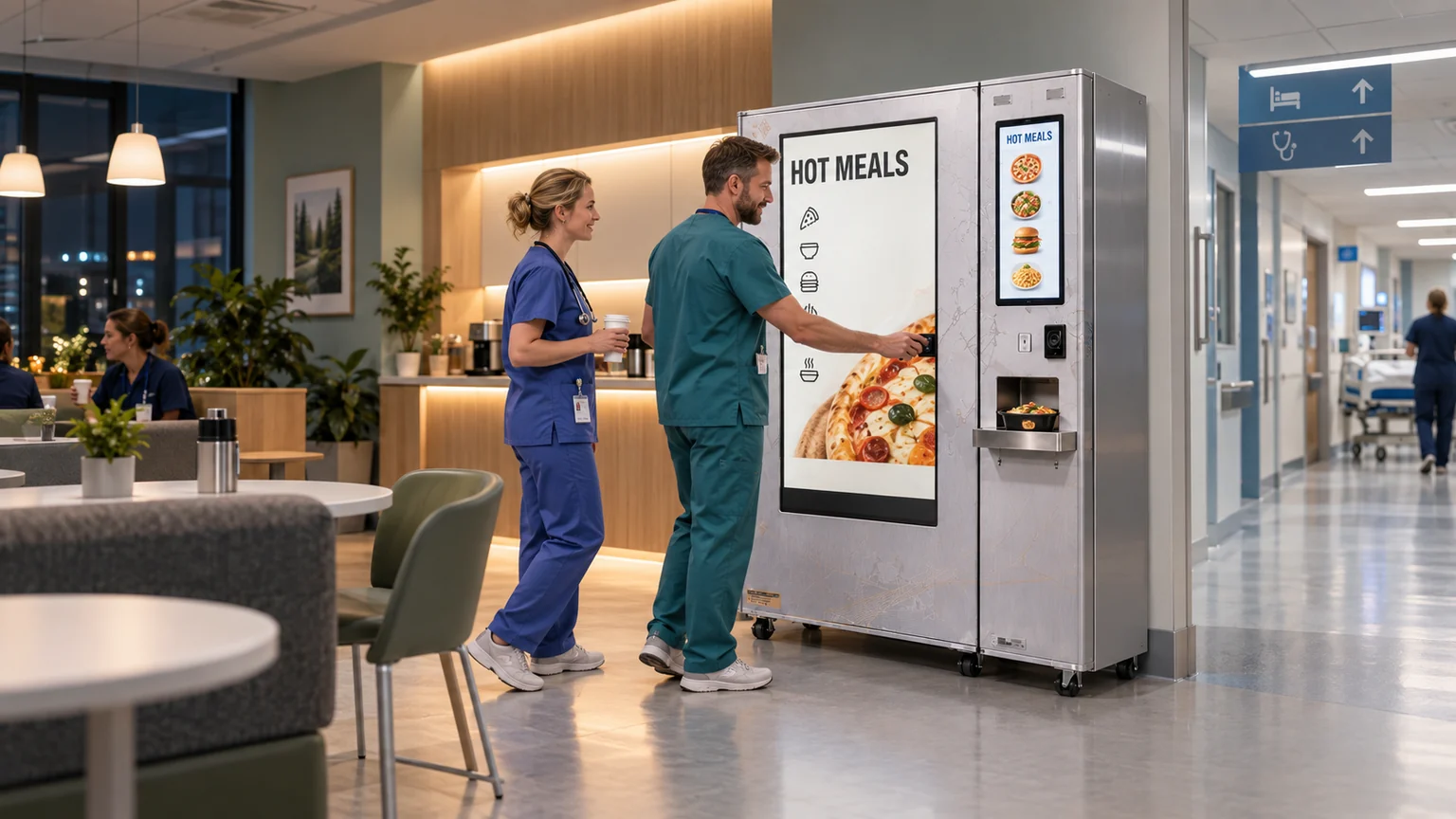
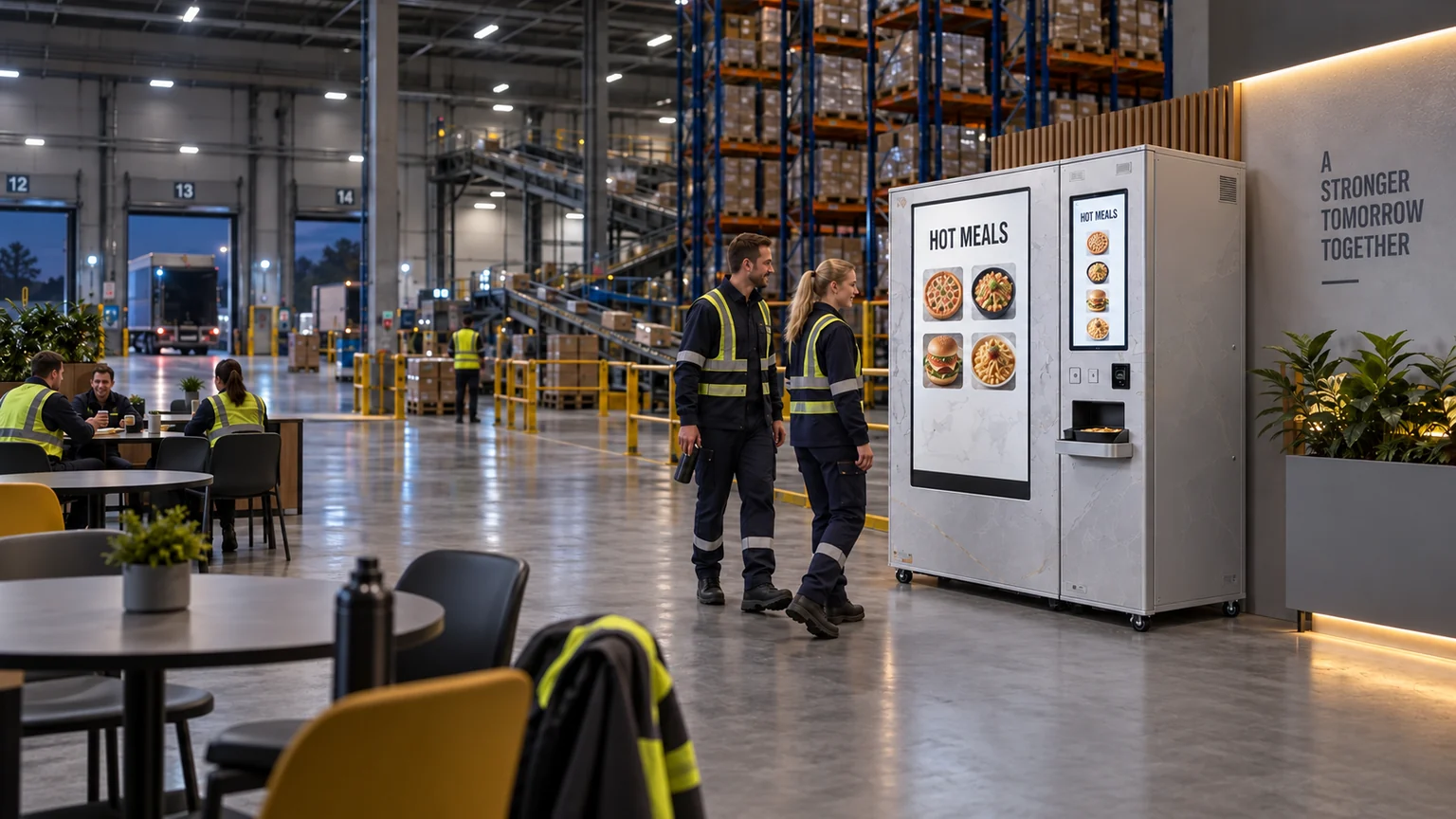
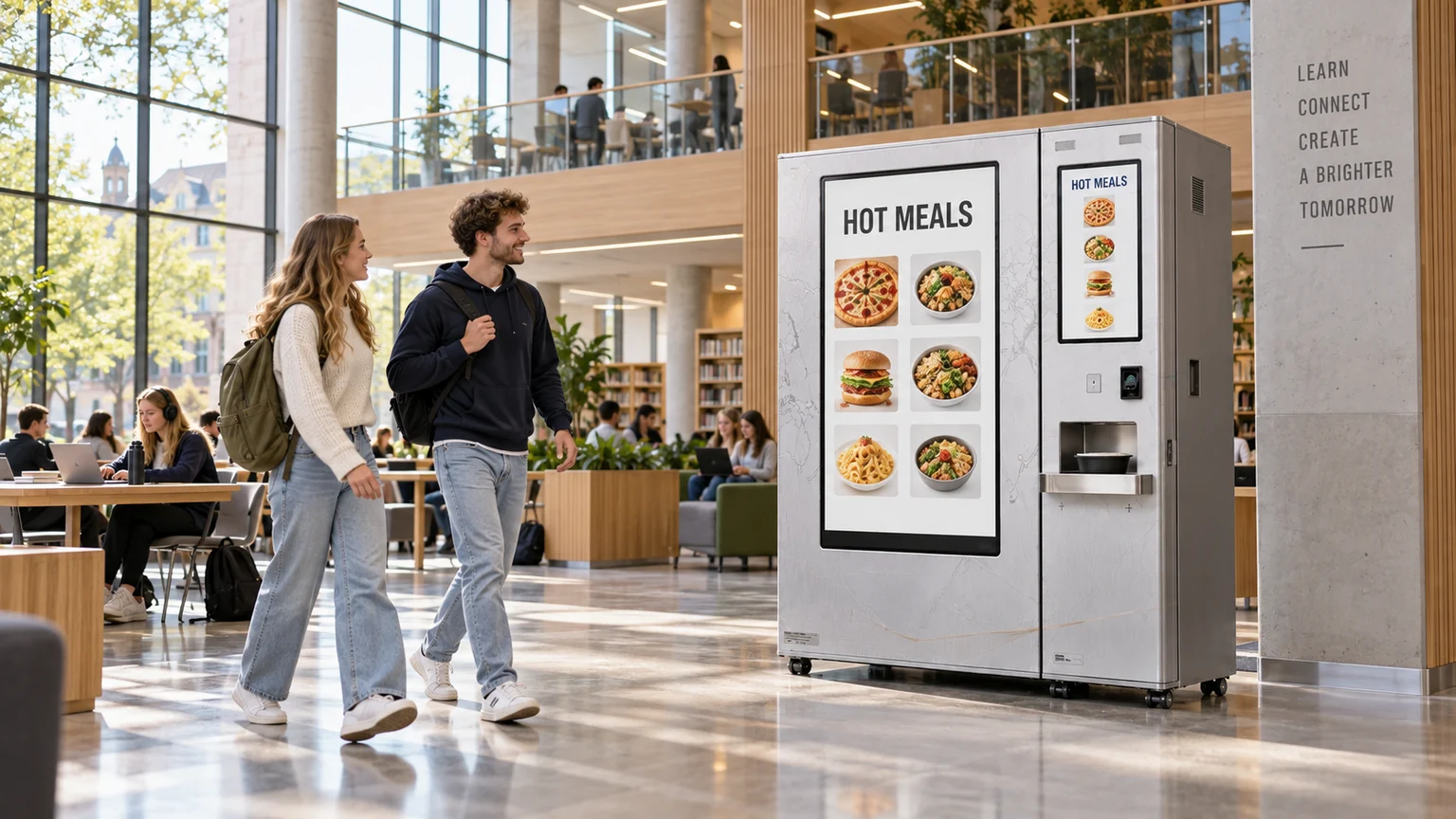
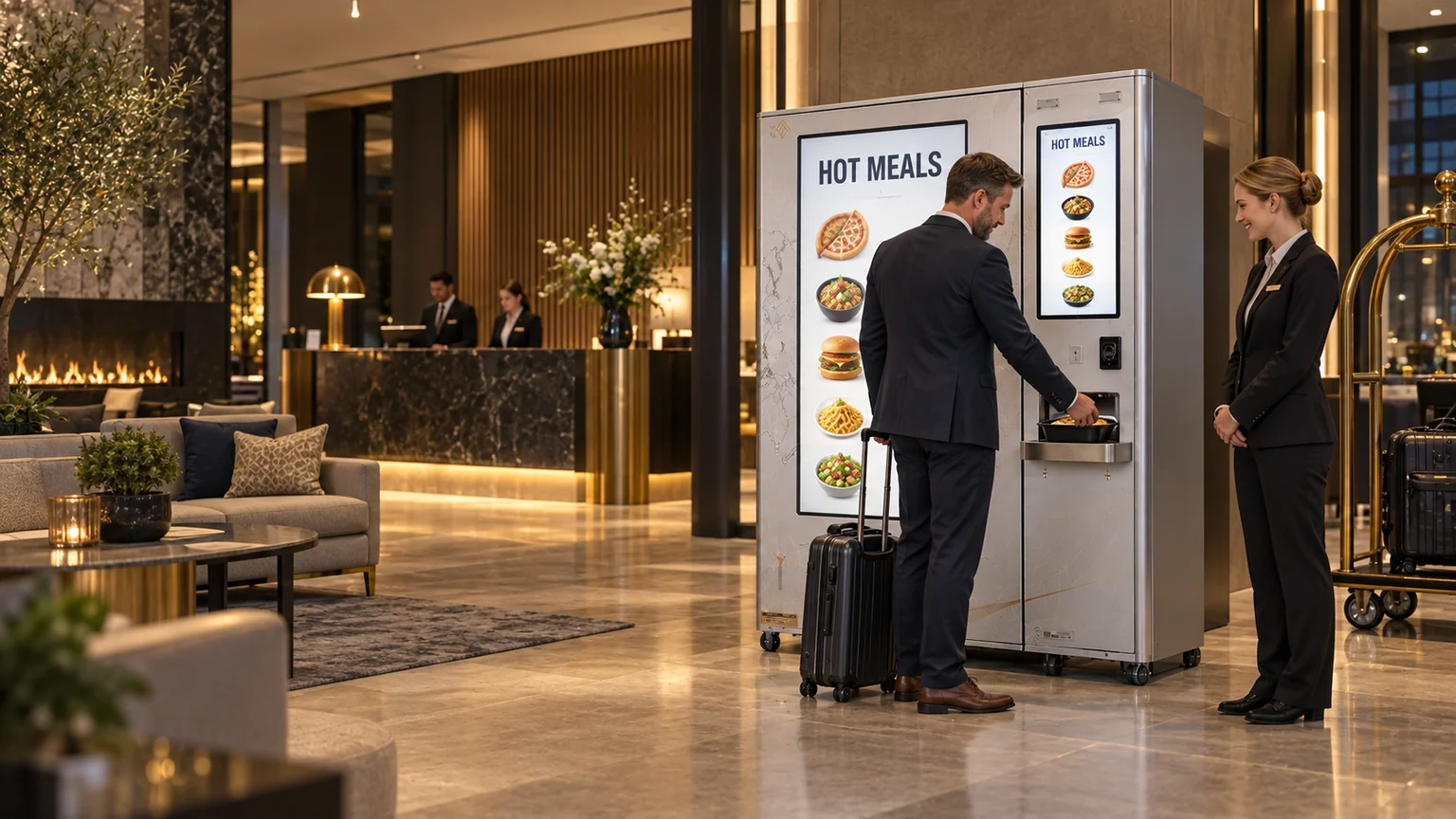
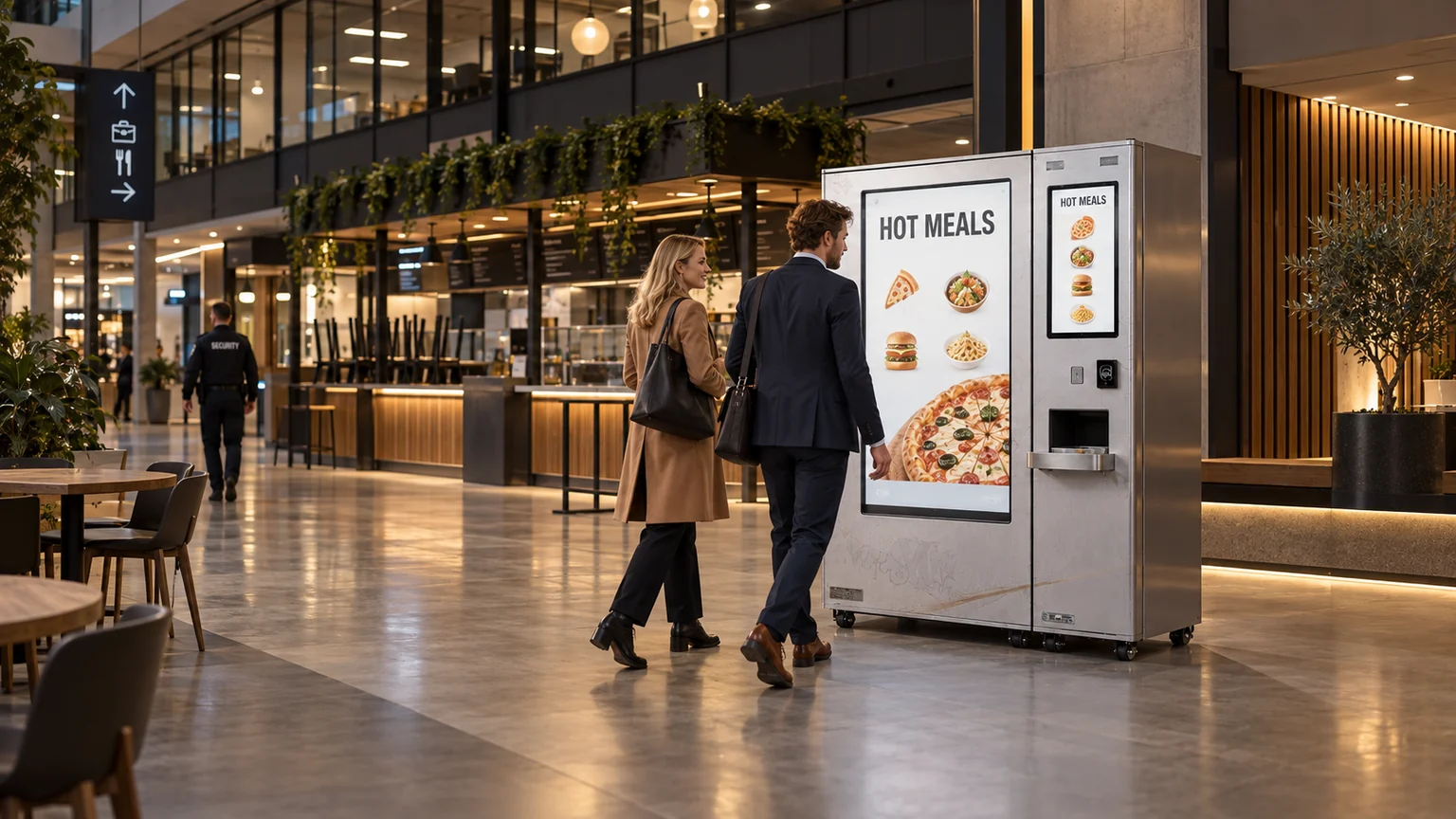
European hotel guests and staff using an automated hot meal station in a contemporary lobby marketplace
Turnkey Hospitality Amenity

Elevating Guest Satisfaction Without Operational Burden.

Planned for a compact 1.7 m² footprint and dedicated 220V power, the station uses closed electric heating. Final venting, odour, sound, and utility requirements are confirmed during site survey.

  • Quiet & Odour-Controlled Operation: Validate steam, aroma, and sound containment for guest-facing areas.
  • Contactless Checkout: Evaluate Apple Pay, Google Pay, major cards, and room-key charging where supported.
  • Food Safety Lockout: Confirm freshness thresholds, telemetry, and operating procedures.
  • Managed Operations: Define replenishment, sanitisation, and Level A–D maintenance with regional partners.

Hospitality deployment guidance. Final utility requirements and service terms are confirmed during site survey.

View Machine Engineering Specs
Demographic Mapping

Who Uses the Station, and When Is It Needed Most?

Align hot meal access with guest arrivals, flight schedules, and overnight operations.

Target Guest & Staff Population
  • Late-arriving business travellers & delegates
  • Airline crews & transit passengers
  • Night-shift front office, housekeeping & engineering staff
  • Early departures before breakfast opens
Critical Dining Windows
  • Late arrivals & midnight cravings (22:00 – 04:00)
  • Early flight departures (04:00 – 07:00)
  • Kitchen-closed intervals
  • Weekend and holiday overnight rosters
Planning Direction

Recommended Hospitality Guidelines.

Shape deployment around guest circulation, lift access, and acoustic harmony.

  • Consider lobby grab-and-go pantries, executive lounges, or staff hubs.
  • Preserve quiet guest corridors while enabling late-night access.
  • Balance bistro classics, plant-based entrees, and warm bakery items.
  • Define guest retail, staff subsidy, or complimentary hospitality rules.
Facility Feasibility

Property Feasibility Checklist Before Deployment.

Review guest routes, replenishment access, utilities, and payment integration before installation.

  • Confirm lobby circulation and accessible routes.
  • Plan service-lift and loading access.
  • Confirm 1.7 m² clearance and dedicated 220V/30A power.
  • Coordinate retail pricing and staff benefit policies.
Placement Ideas

High-Impact Hotel Placement Zones.

Lobby & Grab-and-Go Lounges
Executive Floor Pantries
Back-of-House Staff Hubs
Airport Transit Waiting Areas

Needs Assessment

Review room count, late arrivals, and night staff.

Site Feasibility

Confirm 1.7 m² clearance and 220V/30A supply.

SLA & Terms

Finalise retail pricing, subsidies, and menu curation.

Launch & Refine

Deploy and tailor inventory using reviewed sales data.

Next Step

Start With 4 Basic Property Data Points.

Hotel location, total room count, target placement zone, and current late-night dining options.

Elevate your hotel's 24/7 dining experience
without kitchen payroll.

Schedule an on-site feasibility evaluation with our European hospitality team.

Request Property Assessment →